
What You Should Know About Countertop Installation
Countertop installation can dramatically enhance the aesthetics and functionality of your kitchen or bathroom space. However, it requires precise planning, material knowledge, and skilled installation. This article will guide you through the essential aspects you need to know before embarking on a countertop installation project. Selecting the right countertop involves more than just choosing a color and pattern that matches your decor. The key is to take into account the practicality, durability, and cost of the various material options available.
Choosing the Right Material
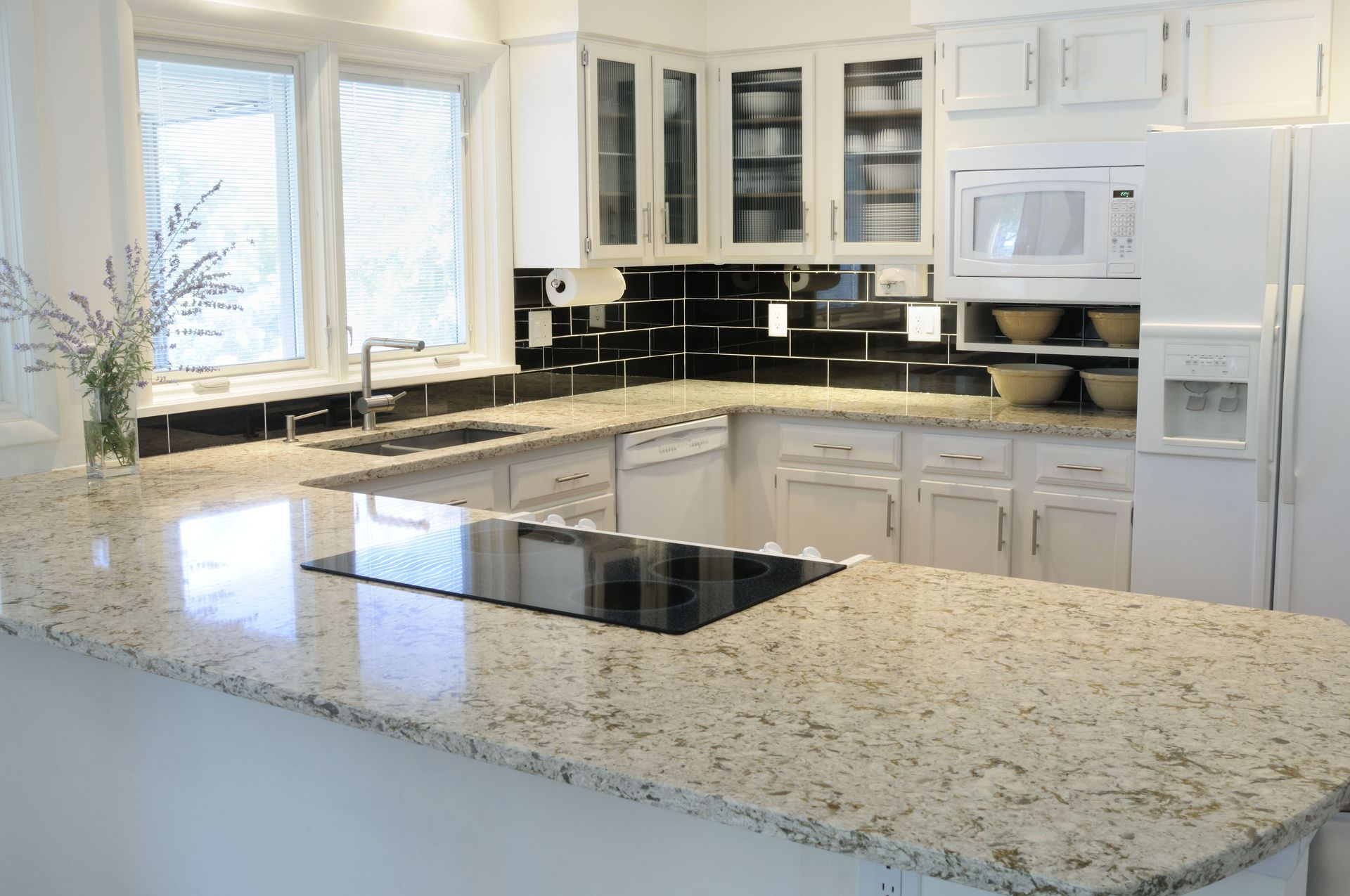
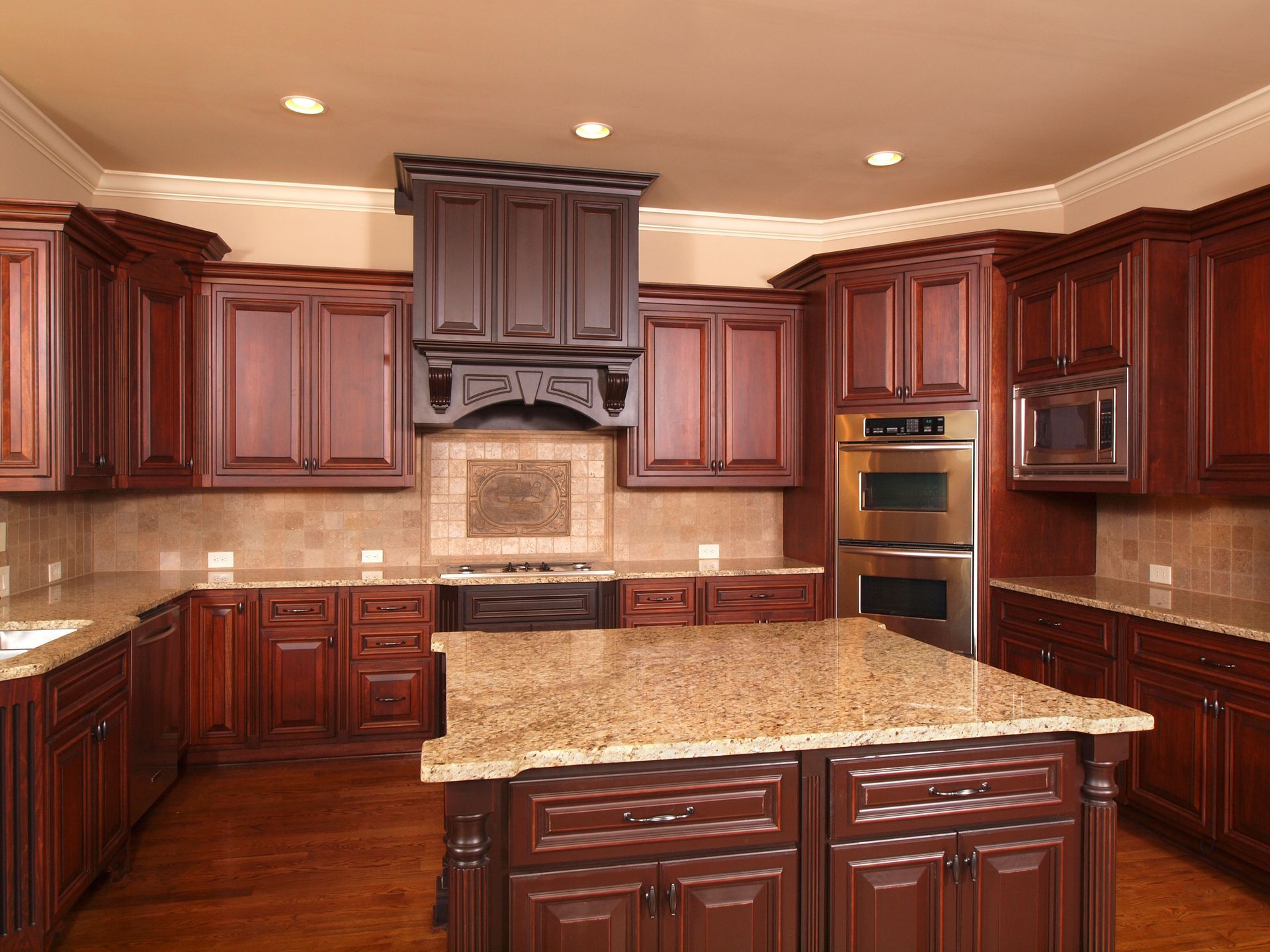
When considering materials for your countertop installation, natural stones such as granite and marble are often top contenders. Granite, renowned for its durability and natural beauty, is favored for its ability to withstand heat and resist most stains and scratches. However, granite requires regular sealing to maintain its non-porous surface. Marble, while offering an undeniable elegance, is more prone to scratches and stains, especially from acidic foods like citrus and red wine. Despite the maintenance requirements, natural stones often remain a preferred choice for their timeless allure.
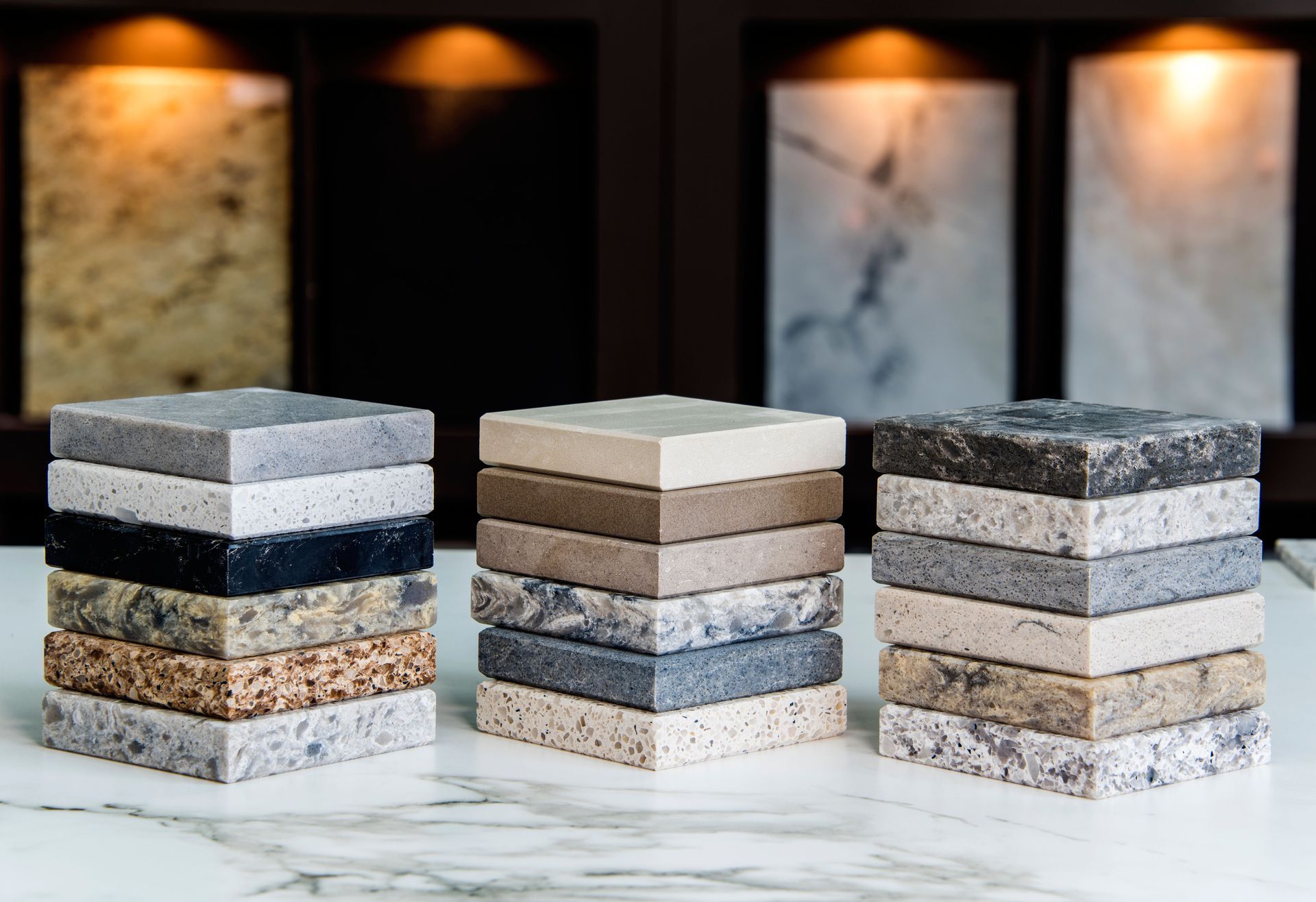
Engineered stone options, such as quartz, provide a durable alternative to natural stone without the need for regular sealing. Quartz countertops consist of roughly 90% ground natural quartz combined with polymer resins, resulting in a non-porous and antimicrobial surface. While quartz can be slightly less heat-resistant compared to granite, its resistance to stains and scratches makes it highly appealing for busy households. Furthermore, engineered stones come in a wide variety of colors and patterns, some of which closely mimic the appearance of natural stones. These features often make quartz a practical and aesthetically versatile option.
For those interested in sustainable and warm aesthetics, wood and butcher block choices offer a distinctive appeal. Wood countertops bring a natural, organic feel to a space and can be used to create inviting kitchen environments. They do require frequent maintenance, including regular oiling, to protect against moisture and maintain their appearance. However, their ability to be sanded down and refinished makes them a long-lasting option. While more susceptible to cuts and scratches, these can often be sanded out, maintaining the countertop's visual integrity over time.
Measuring and Planning the Layout
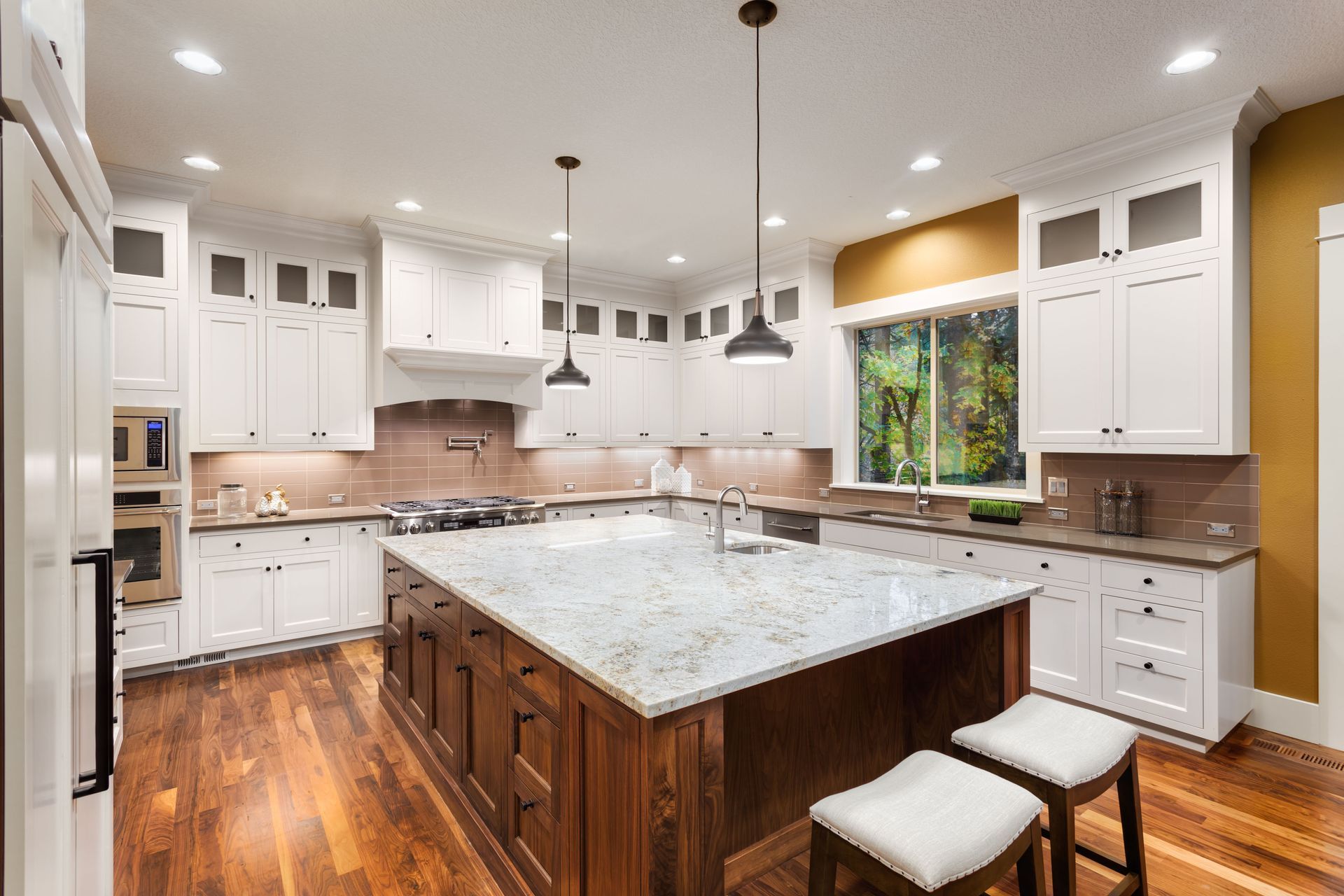
Accurate measurement is a crucial step in ensuring a successful countertop installation. Using a standard tape measure can help achieve precision and reduce the risk of errors that can lead to delays and additional costs. It's important to include considerations for overhangs and over-the-cabinet placements. Understanding overhang requirements is essential not just for aesthetics, but also for providing comfortable seating in breakfast bars or islands. The aim is to ensure that the countertop is both functional and appealing, fitting perfectly within its intended space.
When installing countertops, planning for seams is an important consideration, especially in larger or complex kitchen layouts. Seam placement can impact both the aesthetic continuity and structural integrity of the countertop. Proper planning can minimize the number and visibility of seams, making the installation look more seamless. Employing templates for complex shapes ensures that cutting and placement considerations reflect the actual layout and dimensions of your space. Correctly planning seams aids in achieving a balance between practicality and visual appeal.
An additional aspect often overlooked during planning is appliance cutouts and the necessary adjustments they may require. Depending on the layout and the appliances in use, allowance for these cutouts requires careful measurement and consideration. Ensuring that these cutouts are accurately positioned can help prevent later installation issues or awkward protrusions. Installing countertops may take anywhere from two hours to a full day or more, according to HomeGuide, depending on the size, material, and job complexity. Being proactive can contribute significantly to an efficient and smooth installation process.
Preparing Your Space
The preparation phase often begins with the removal of old countertops, which requires care to avoid damaging existing cabinetry or infrastructure. This process involves more than just ripping out the old material; it requires careful detachment from the substrate to protect walls and the surrounding areas. Once the previous countertop is removed, it's time to assess the plumbing situation to determine if adjustments are necessary. The placement and arrangement of your plumbing can significantly impact the installation and fit of new countertops. Anticipating potential issues and making adjustments early can prevent costly delays.
Ensuring structural support is key in preparing your space, particularly if you're installing heavy countertop materials like granite or quartz. Cabinets need to be firmly anchored and level to support the weight of the new countertops reliably. Without this, even the most beautifully cut and fitted countertop could malfunction, leading to issues such as cracking or instability. Addressing wall and surface imperfections is also crucial, as these can negatively impact the fit of the countertop. Seamless installation necessitates an even and stable base for the countertop's substrate.
Safety precautions and maintaining site cleanliness are important aspects of preparation that contribute to a smooth installation process. Protective gear should be worn to prevent injury, and the workspace should be kept orderly to minimize hazards. This practice ensures that the installation team, whether professional or DIY, can work efficiently without unnecessary risk. Good housekeeping practices reduce the chances of contamination or damage to your new countertops. On a project that may demand a full day or more, proper distraction preparation can often make the difference in the success of the installation.
Evaluating the Installation Process
Deciding between professional countertop installation methods is a significant consideration that influences the cost, quality, and duration of the project. Professional installers bring experience and specialized tools to the job, facilitating precise cuts and expert finishes. Their expertise can be especially valuable for complex layouts or delicate materials, where errors can be costly and damaging. Weighing the potential risks and rewards carefully for each option can help determine the best path forward.
The installation process typically follows a step-by-step guide to ensure accuracy and precision throughout. This process often includes dry-fitting the countertops to check for accuracy of cutouts and placements before finalizing installation. Ensuring level countertops is crucial as uneven countertops can lead to both aesthetic and functional issues, compromising the appeal and function of your space. It's essential to measure continuously and make adjustments throughout installation to achieve a balanced final product. During this process, patience and attention to detail help secure long-lasting results.
Dealing with seams and joints effectively can enhance the visual fluidity of your countertops, making the overall installation appear more streamlined. Properly joining and concealing seams requires careful planning and skilled execution; quality adhesives and finishes can aid in blending surfaces. Lastly, finishing touches such as edges and backsplashes are key elements in creating a polished appearance. Edge profiles can range from simple square or eased edges to more elaborate designs, offering choices that complement your aesthetic preferences. Backsplashes not only protect your walls from spills and splashes but also provide additional style opportunities, tying together the kitchen or bathroom's overall design theme.
Understanding the nuances of countertop installation can save time, money, and future headaches. By selecting the right materials, planning meticulously, and executing with precision, you can enjoy a beautiful and durable addition to your home. With proper care and maintenance, your countertops will continue to enhance your home's value and appeal for years to come. For countertops, contact Colorado Stone Services today.














Share On: